
Home / Services / Crawl Space Insulation
Residential & Commercial
Crawl Space Insulation in Hartland, WI
Insulation, air sealing and encapsulation for the vented crawl spaces under Hartland and Lake Country homes.
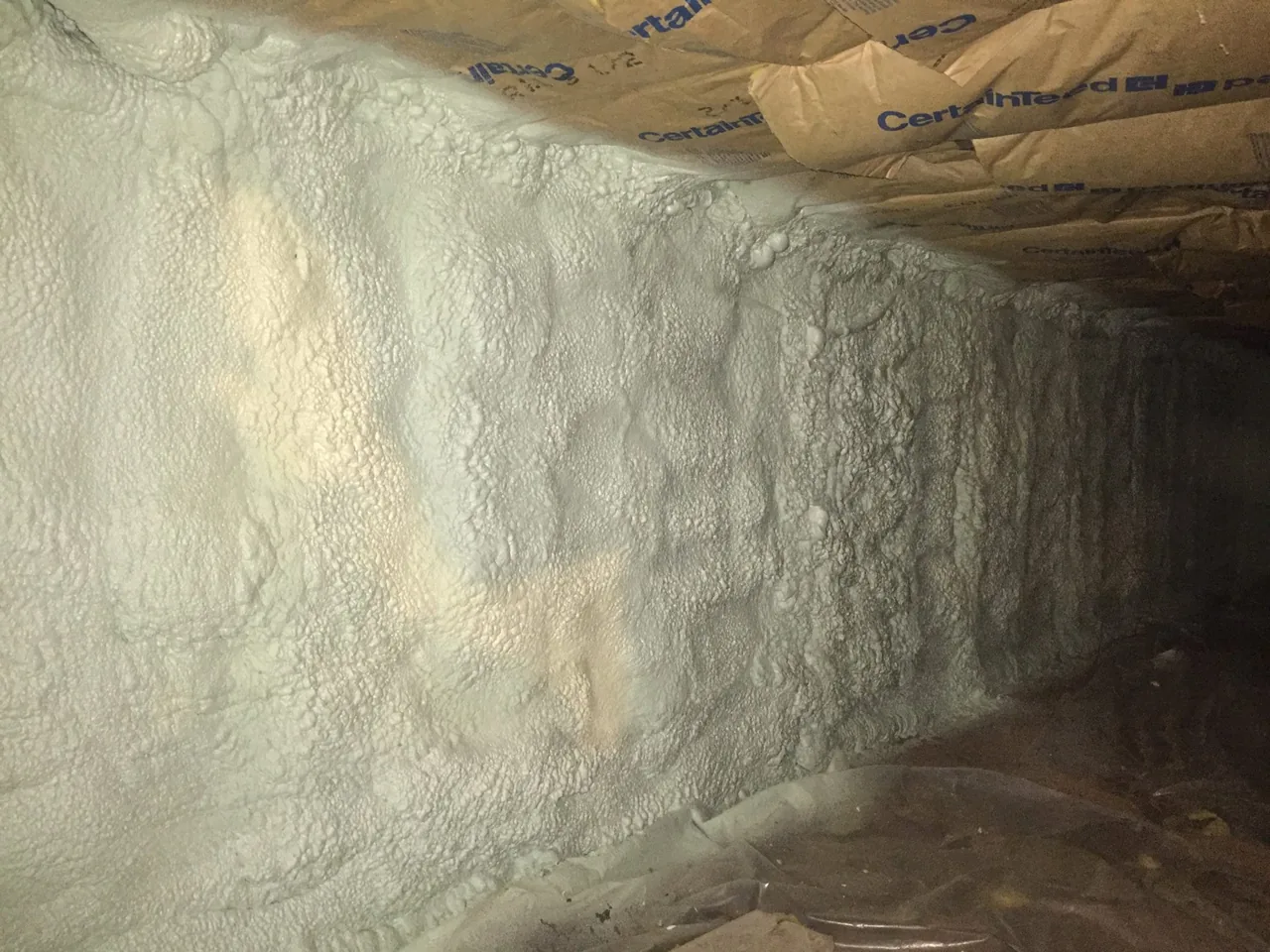
Crawl space insulation in Hartland is a winter survival job. A large share of Lake Country homes, especially older houses and additions near the Pewaukee and Nashotah lake basins, sit over vented crawl spaces that drop to near outdoor temperature from December through February. The results are predictable: floors you cannot walk on barefoot, plumbing that freezes during a sub-zero snap, and a furnace that runs constantly trying to heat rooms sitting on top of a cold box. Hartland Spray Foam Insulation insulates and seals crawl spaces for IECC climate zone 6A, where the goal is keeping winter out of the floor system entirely.
Why vented crawl spaces freeze in Wisconsin
Foundation vents were designed to move moisture out in mild weather, but a Hartland winter turns them into open ports for sub-zero wind. Cold air pours through the vents and the gaps around them, chills the floor joists and any plumbing routed below the floor, and radiates that cold straight up into the living space. Bare earth makes it worse by holding dampness against the underside of the house year round. The combination, frigid moving air plus ground moisture, is why vented crawl spaces in Waukesha County produce frozen pipes and cold floors in the same house at the same time.
Frozen pipes: the expensive wake-up call
Every winter in the Lake Country, supply lines and drains in crawl spaces freeze and split, and the damage usually surfaces as a spring flood rather than a January drip. Insulating the pipe itself is a bandage. The reliable fix is warming the space the pipe lives in: closing off the outside air, insulating the crawl space walls and rim joists, and letting a small amount of household heat reach the plumbing cavity. When we scope a crawl space, we trace where the water lines run and make sure the plan actually protects them, not just the floor above them.
Encapsulation versus insulating the floor
There are two legitimate ways to insulate a crawl space, and they solve different problems. Batts between the floor joists slow heat loss into the crawl space but leave the cold, vented environment below them untouched, and batts in cold, damp crawl spaces sag, absorb moisture and fall out within a few seasons. Encapsulation flips the strategy. The ground gets a sealed vapor barrier, the vents and outside air leaks get closed, and the crawl space walls and rim joists get insulated, usually with closed-cell spray foam that insulates, air seals and resists moisture in one application. The crawl space becomes a dry, semi-conditioned part of the house, the floor above it warms up, and the plumbing inside it stops freezing. In Hartland's climate, encapsulation is the approach we recommend most often, and we explain the tradeoffs in the written estimate either way.
Rim joists: the leakiest band in the house
The rim joist, where the floor framing rests on the foundation wall, is full of gaps in older Lake Country homes. Each gap pulls winter air directly into the floor system, right at the level of your feet. Spray foam is the right tool here because it expands into irregular cavities and air seals as it insulates, something rigid board and batts cannot do around plumbing, wiring and framing intersections. Sealing the rim joist band is included in our crawl space scope rather than treated as an extra.
What a crawl space estimate looks like
We go under the house before we quote anything. The inspection covers ground moisture and drainage, the condition of any existing insulation, where the plumbing runs, vent count and the state of the rim joist band. You get a written scope naming the material, the thickness and whether the plan is floor insulation, encapsulation or a combination. Call 262-403-8625 or send the quote form to schedule. If the attic needs attention too, see our attic insulation page, and learn about our flagship material on the spray foam insulation page. We serve Hartland, Oconomowoc, Delafield and the rest of the Lake Country.
Questions
Common questions
Why are the floors over my crawl space so cold?
A vented crawl space sits close to outdoor temperature all winter, and that cold conducts straight through the floor. Insulating the crawl space walls and rim joists, and closing off the outside air, warms the space the floor sits on instead of just padding the floor itself.
Can you keep my crawl space pipes from freezing?
Yes. The reliable method is enclosing the crawl space: sealing the vents and air leaks, insulating the walls and rim joists, and letting household heat reach the plumbing cavity. Pipe insulation alone does not hold up through a sub-zero Lake Country snap.
Encapsulation or floor insulation: which do I need?
If frozen pipes, cold floors or musty air are the complaints, encapsulation with a ground vapor barrier and insulated walls addresses the cause. Floor batts alone only slow heat transfer and leave the cold, vented environment in place. We inspect first and recommend based on what we find.
Want to know what your crawl space project would cost?
We go under the house before we quote, so the written scope matches what is actually there.
Free written estimates • No obligation • Local team
Explore more
Other insulation services
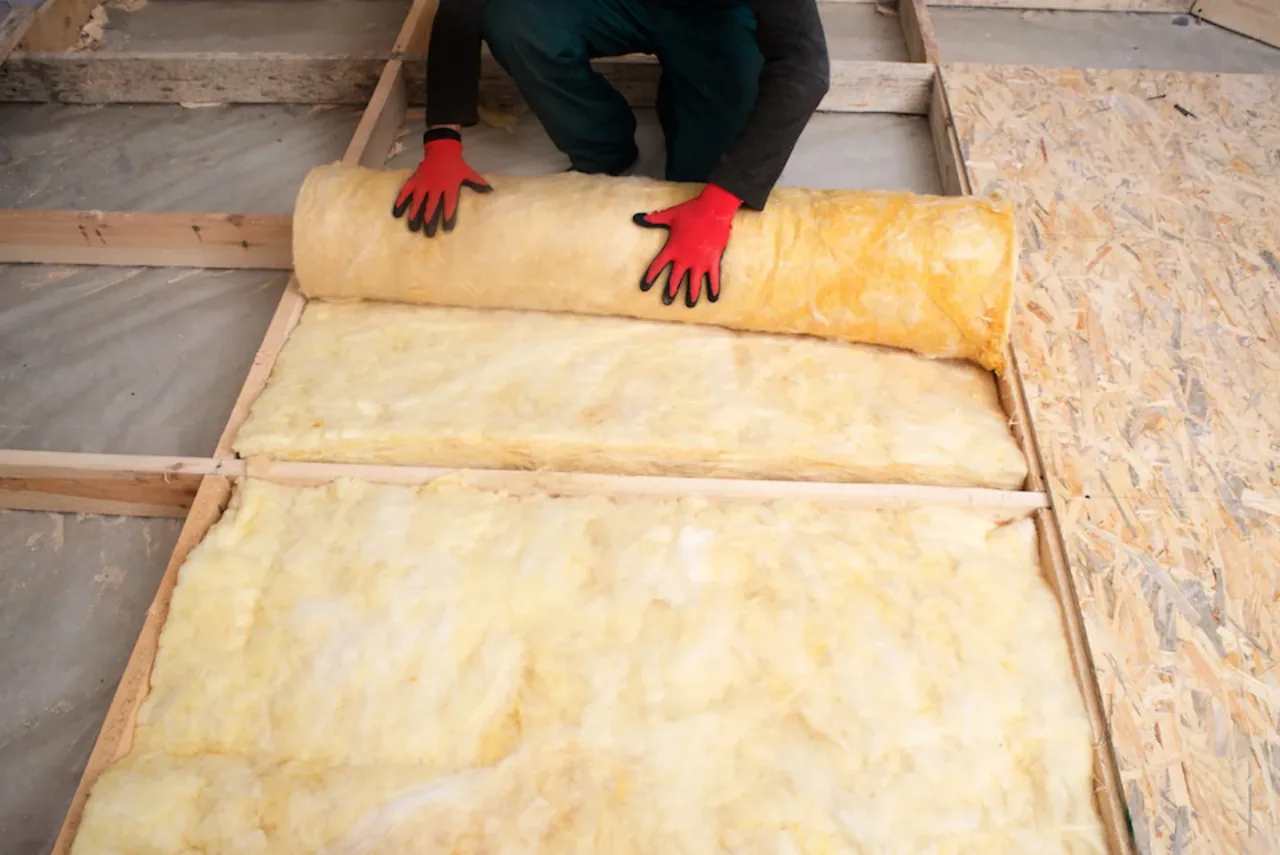
 Attic InsulationAttic air sealing and insulation that cut winter heat loss and stop the ice dams that plague Lake Country roofs.Explore service →
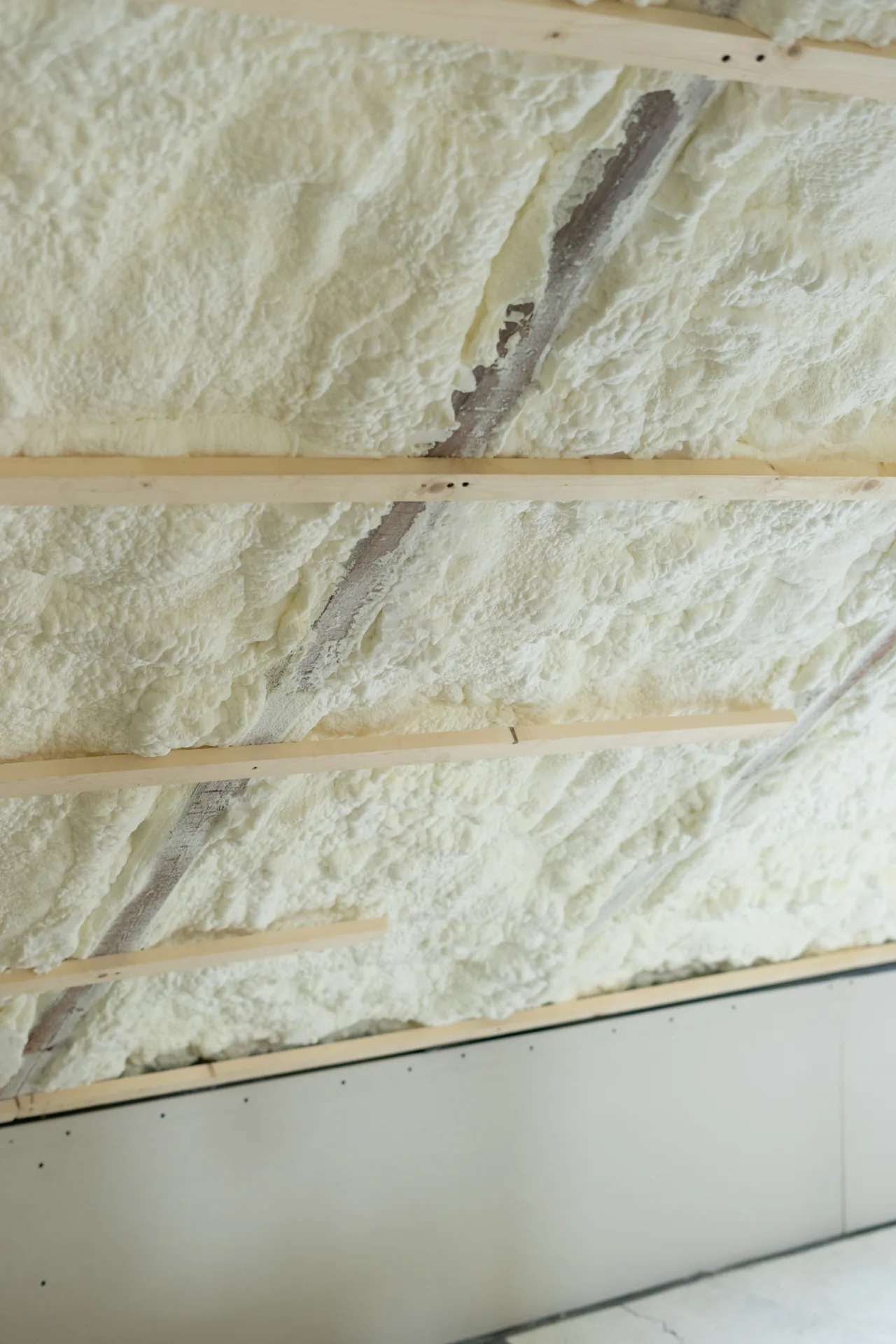
 Spray Foam InsulationOpen-cell and closed-cell spray foam that insulates and air seals in one pass, including crawl space walls and rim joists.Explore service →